March 24, 2026
Maintaining optimal oral health requires more than just brushing and flossing at home. Dentists play a pivotal role in preventing dental problems, diagnosing conditions early, and guiding patients toward long-term oral wellness. With professional care, patients can enjoy stronger teeth, healthier gums, and a reduced risk of more serious health issues. This article explores the key ways dentists contribute to oral health and overall well-being.
Preventive Care
Examine Teeth and Gums
Routine exams are a cornerstone of dental health. Dentists evaluate teeth, gums, and oral tissues for signs of decay, disease, or abnormalities. Early detection of issues such as cavities or gum inflammation allows for prompt intervention, preventing minor problems from developing into more serious conditions. These exams often include professional cleanings and visual inspections, supplemented by digital imaging to capture a detailed view of the oral structures. Regular evaluations also allow patients to discuss questions or changes in oral health and receive guidance on techniques that support consistent daily care.
Clean Teeth Professionally
Even with daily brushing and flossing, plaque and tartar can accumulate in hard-to-reach areas. Dentists provide professional cleanings that remove these deposits, reducing the risk of gum disease and tooth decay. This process not only maintains oral hygiene but also promotes fresh breath and a brighter smile. The removal of bacteria and buildup supports the long-term health of teeth and gums. Professional cleanings help patients maintain a baseline of oral health and can highlight subtle changes that may require attention. Regular appointments encourage consistent habits and complement guidance from the dentist for ongoing oral wellness.
Advanced Diagnostics
Capture Digital Images
Modern dental practices utilize advanced imaging tools to detect issues not visible to the naked eye. Digital X-rays and 3D scans allow dentists to evaluate the alignment of teeth, jawbone density, and the presence of cavities between teeth. These technologies provide a comprehensive understanding of a patient's oral condition, helping dentists make precise diagnoses and develop tailored treatment plans that protect long-term oral health. Using these tools also enhances patient education by allowing dentists to visually demonstrate areas of concern, helping patients understand their oral health and follow recommendations more effectively.
Detect Early Disease
By using these diagnostic techniques, dentists can identify early signs of gum disease or other dental conditions. Detecting problems early significantly improves treatment outcomes and can prevent systemic health complications associated with poor oral care. Patients benefit from a proactive approach that minimizes discomfort, reduces treatment complexity, and supports overall well-being. Regular evaluations also create opportunities for discussions about potential risk factors and minor changes over time. By staying informed, patients can make small adjustments to routines or dietary choices that contribute to stronger, healthier teeth and gums in the long term.
Restorative Dentistry
Restore Teeth with Fillings
Restorative procedures address damage caused by decay, trauma, or wear. Dentists use fillings, crowns, and bridges to restore functionality and appearance, ensuring that teeth maintain their strength and alignment. These treatments repair damage and protect vulnerable areas from infection or further wear. Restorative procedures also support confidence in daily activities, such as eating and speaking, by restoring the natural shape and function of teeth. Patients often experience improved comfort and consistency in oral performance following these treatments.
Replace Damaged or Missing Teeth
When teeth are damaged or missing, dentists can restore functionality and appearance using fillings, crowns, bridges, or partial dentures. These treatments repair damage, protect vulnerable teeth, and maintain proper alignment, ensuring a healthy and functional smile. Restorative dentistry also promotes overall oral balance by supporting proper jaw function and preventing undue stress on surrounding teeth. This makes everyday activities, including eating and oral hygiene, more manageable while supporting ongoing oral wellness.
Cosmetic Dentistry
Whiten and Bond Teeth
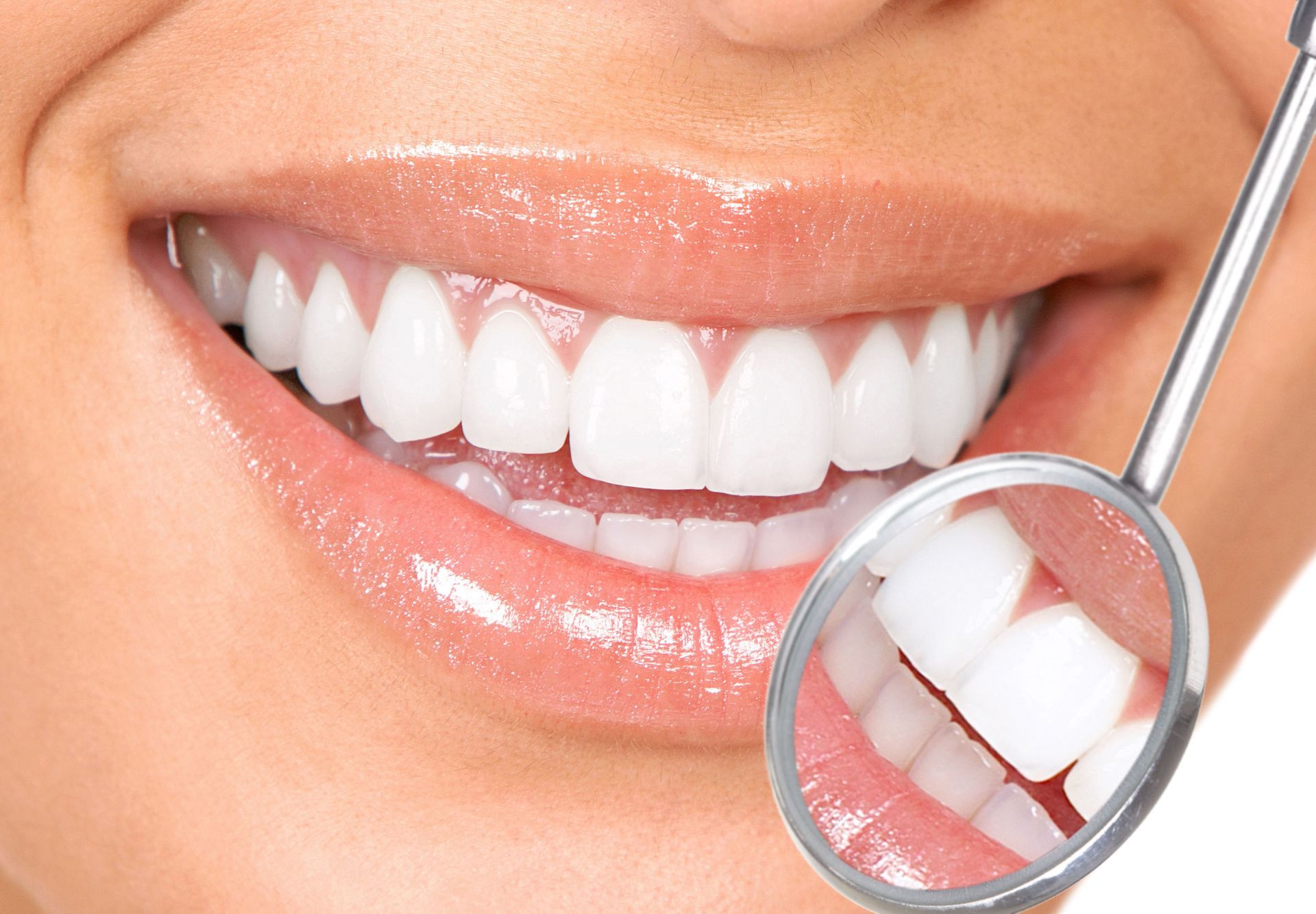
Cosmetic treatments can improve both appearance and oral function. Teeth whitening eliminates stains that can harbor bacteria, while dental bonding repairs minor chips or cracks that could compromise tooth integrity. Dentists use these techniques to enhance smiles while maintaining a healthier oral environment by addressing structural weaknesses early. Additionally, cosmetic improvements often provide a confidence boost that encourages patients to maintain consistent oral care habits. Positive experiences with cosmetic care can reinforce preventive practices and support long-term oral health.
Straighten Teeth
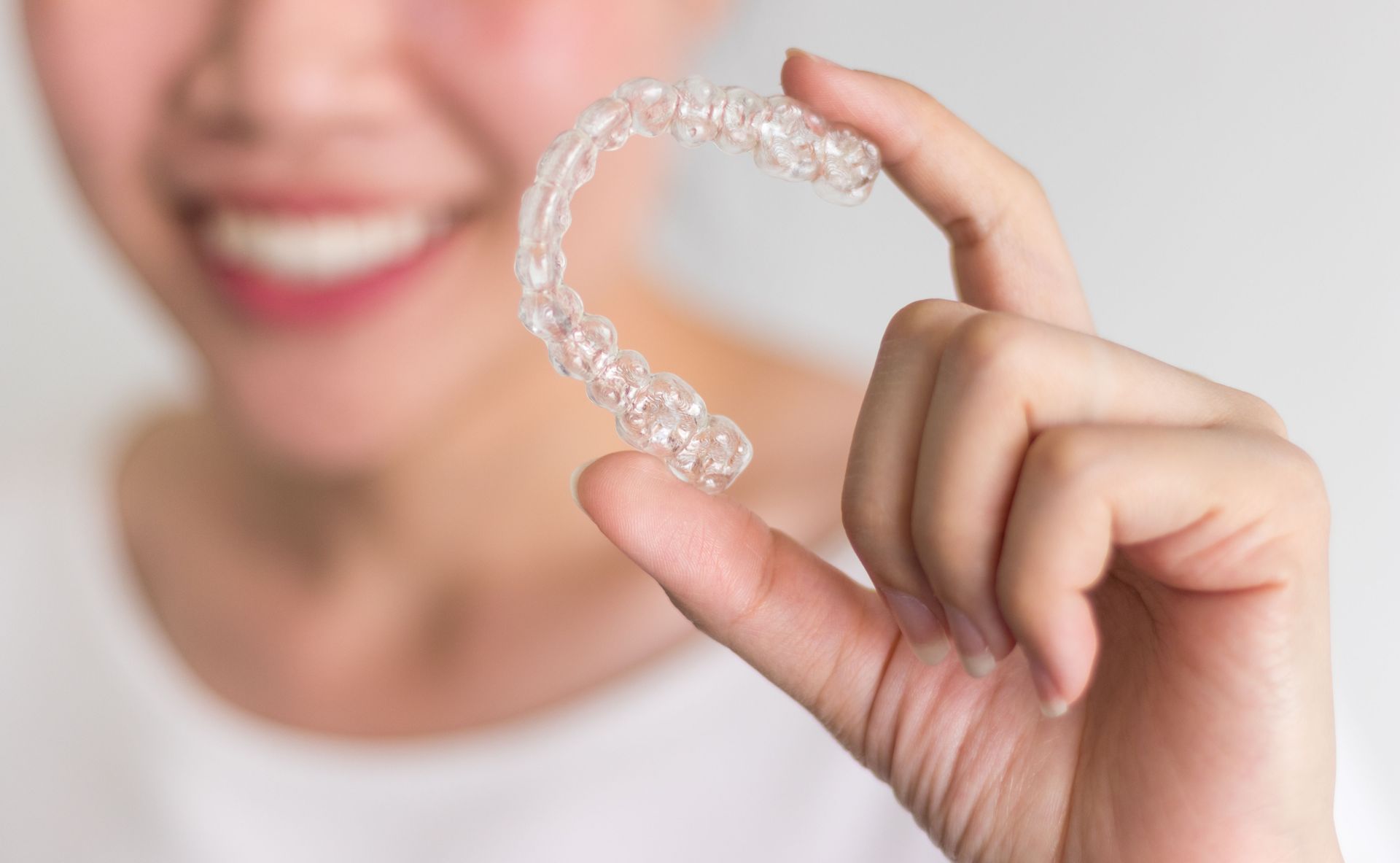
Straightening misaligned teeth improves oral hygiene by making it easier to brush and floss effectively. Clear braces and other orthodontic treatments correct bite issues, prevent excessive wear, and reduce the risk of gum disease. By guiding teeth into proper alignment, dentists help patients avoid complications that arise from crowded or improperly positioned teeth, contributing to long-term dental health. Orthodontic care also promotes ongoing awareness of oral health, as treatment involves consistent attention and follow-up. This engagement encourages a long-term commitment to healthy oral habits and overall smile maintenance.
Periodontal Care
Treat Gum Disease
Gum health is a critical component of overall oral wellness. Dentists diagnose and treat conditions like gingivitis and periodontitis to prevent tooth loss and systemic inflammation. Treatments may include deep cleanings and laser therapy, which target infected tissue and help restore gum health while preventing further deterioration. Maintaining gum health also contributes to overall comfort and confidence during activities such as eating or speaking. Healthy gums provide a stable foundation for teeth, supporting proper alignment and the functionality of the jaw over time.
Guide Preventive Habits
Dentists provide personalized advice on daily oral hygiene practices, dietary choices, and habits that influence gum health. Patients learn how to minimize plaque buildup, avoid irritants, and maintain strong tissue support. This education empowers patients to take proactive steps in preserving oral health between visits. Guidance from a professional helps patients implement gradual, sustainable changes in routines. Small adjustments reinforced over time can have a meaningful impact on gum and oral health.
Patient Education
Improve Nutrition for Oral Health
Dentists educate patients on the relationship between diet and oral health. Consuming sugar in moderation, incorporating calcium-rich foods, and staying hydrated all support stronger teeth and healthier gums. Guidance on snacks, beverages, and supplements can enhance oral resilience and reduce the risk of decay. Recommendations emphasize balance and consistency, helping patients make informed choices that gradually improve oral health. By understanding daily impacts on teeth and gums, patients are better equipped to maintain long-term oral wellness.
Modify Harmful Habits
Certain habits, such as smoking, teeth grinding, and nail-biting, can damage teeth and gums. Dentists identify these behaviors and provide strategies to minimize harm. From night guards to lifestyle counseling, interventions target habits that negatively impact oral health while promoting long-term wellness. Patients also receive practical tips for integrating positive changes into daily life, making them easier to maintain. Guidance can include strategies for consistency, monitoring progress, and adjusting routines to support oral health sustainably over time.
According to Statista, a 2024 analysis reports that the average American dentist handled roughly between 3,600 and 4,000 patient visits per year over recent decades, with 2023 data around 3,600 visits per dentist. Dentists play a vital role in supporting overall oral health through preventive care, advanced diagnostics, and restorative and cosmetic treatments that help keep teeth and gums strong and healthy. Staying proactive with regular visits and early interventions allows patients to maintain their smiles and address concerns before they become more serious. To explore services and learn more, visit Smiles By Payet Dentistry and discover how our personalized care can make a difference in your oral wellness.