June 23, 2026
Deciding to straighten your teeth is a major step toward improving your overall oral health and enhancing your smile. Many adults and teens seek a discreet alternative to traditional metal braces. Clear aligners offer a practically invisible way to achieve the alignment you want without drawing unwanted attention to your mouth. This modern approach fits easily into a busy lifestyle.
Understanding the process from start to finish helps you prepare for the commitment ahead. Your Invisalign treatment requires dedication and consistency to yield the results you desire. Patients who know exactly what happens at each stage tend to have a smoother experience. Here's a detailed look at every phase of the process to help you feel ready.
Plan Your Treatment With a 3D Digital Scan
The first step begins with a comprehensive consultation with your orthodontist. During this visit, they evaluate your teeth and discuss your smile goals. Instead of using messy putty impressions, your doctor will use an intraoral digital scanner to capture precise images of your teeth. This advanced technology creates an accurate 3D model of your mouth in just a few short minutes.
After the digital scan is complete, your doctor uses specialized software to map out your entire treatment plan. They'll show you a step-by-step projection of how your teeth will move over time. You get to see a digital preview of your final smile before you even wear a single aligner. This clear visualization keeps you motivated throughout the process.
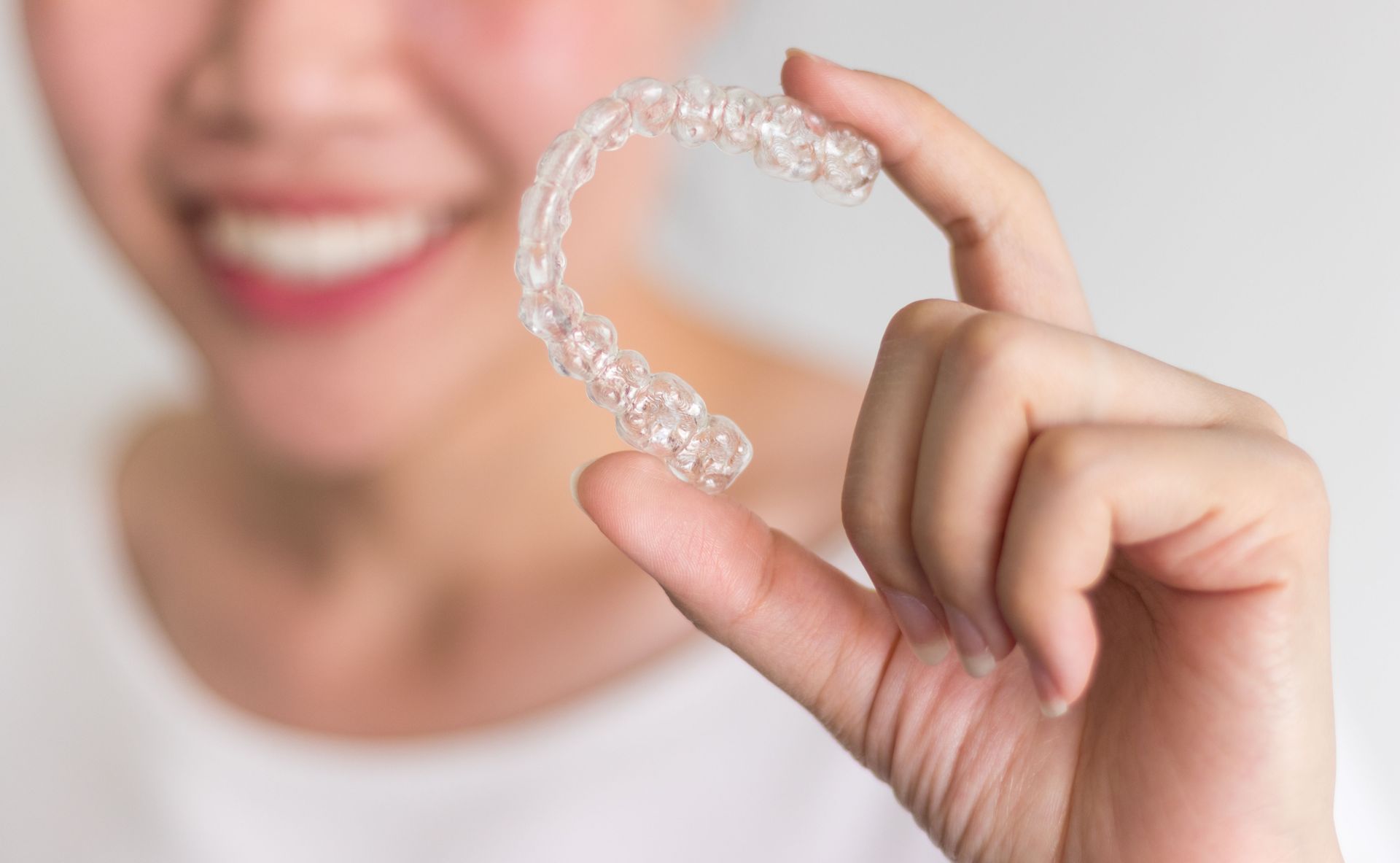
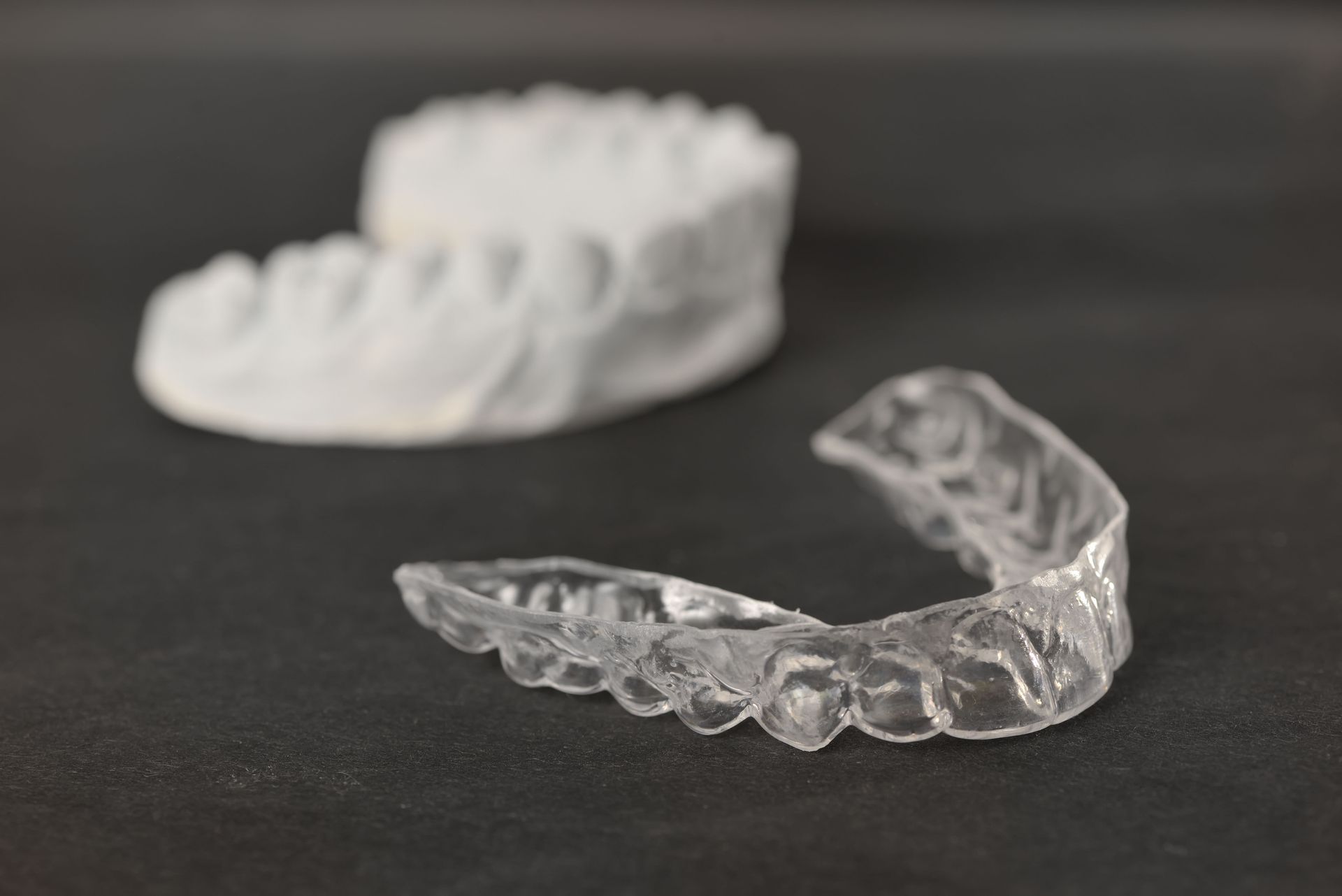
Based on your digital model, the laboratory manufactures a series of custom clear trays. These aligners are cut precisely to your gum line for maximum comfort and a near-invisible appearance. According to Grandviewresearch.com, the U.S. invisible orthodontics market is expected to reach $39.76 billion by 2033. This remarkable growth highlights how many patients choose this modern approach to care.
Your customized Invisalign trays typically arrive at the clinic a few weeks after your initial scan. You'll return to the office to pick up your first set of trays. Your doctor checks the fit to ensure everything feels comfortable and functions correctly. They might also apply small tooth-colored composite bumps called attachments to certain teeth for proper grip.
Wear Your Custom Clear Aligners
You must wear your trays for twenty to twenty-two hours every day to achieve your desired outcome. This strict schedule ensures your teeth receive the constant pressure needed to shift into their new positions. You only remove the trays when eating meals or brushing your teeth. Consistency is the top vital factor in keeping your treatment timeline on track.
Every few weeks, you'll transition to the next set of trays in your series. Each new tray is slightly different from the last one to gradually guide your teeth into alignment. You might feel a snug sensation or mild soreness for the first day or two after switching trays. This feeling means the aligners are working.
Maintaining good oral hygiene during this phase prevents cavities and keeps your aligners clear. You should brush and floss your teeth after every meal before putting the trays back into your mouth. Food particles trapped under the plastic can cause decay and create unpleasant odors. Taking care of your teeth ensures your smile remains healthy as it becomes straight.
You also need to clean the trays themselves using a soft toothbrush and water. Avoid using hot water because it can warp the plastic material and ruin the fit. Many patients use specialized cleaning crystals to remove plaque and keep the aligners completely transparent. Proper maintenance ensures your Invisalign trays remain discreet and effective throughout the entire wearing period.
Attend Regular Check-Ups and Adjustments
Throughout your journey, we recommend that you visit your orthodontist every six to eight weeks. These brief appointments allow your doctor to monitor your progress and ensure your teeth are moving according to the digital plan. They'll check the fit of your current trays and make any minor modifications if necessary. These routine office visits are usually quick and painless.
Sometimes teeth don't move exactly as predicted by the initial software model. If this happens, your doctor might recommend a mid-course correction to get your progress back on schedule. They simply take a new digital scan and order a refined set of trays. This adjustment is a normal part of the process and ensures an optimal final outcome.
During these appointments, your doctor will also hand over your next few sets of aligners. This batch system means you don't have to visit the office every time you need to switch to a new tray. You can comfortably progress through your series at home while still receiving professional supervision. This flexibility appeals strongly to working adults everywhere.
If you have attachments on your teeth, your doctor will check them during these regular visits. They ensure the composite resin remains intact and continues to provide the necessary grip for your trays. If an attachment falls off between appointments, you should notify the Invisalign provider so that they can replace it promptly. Open communication keeps everything running smoothly.
Maintain Your Results With Post-Treatment Retainers
Reaching the end of your aligner series marks a major milestone in your orthodontic experience. Your teeth are finally straight, and your smile looks exactly how you envisioned it at the start. Your doctor will remove any attachments from your teeth and polish the enamel. You can now fully appreciate the results of your dedication and hard work.
However, your treatment isn't completely finished once the active movement phase ends. Teeth have a natural tendency to shift back to their original positions if left unsupported. To prevent this relapse, you must wear a retainer to lock your teeth into their newly aligned spots. Retainers are a permanent requirement for anyone who undergoes orthodontic correction over time.
Your doctor will scan your newly straightened teeth to create your custom retainers. These retainers look almost identical to your treatment trays but are typically made from a thicker and more durable plastic. For the first few months, you'll likely need to wear them full-time just like your regular aligners. This initial period allows bone tissue to stabilize.
After a certain period, your orthodontist will advise you to transition to wearing your retainers only at night. Making this part of your nightly routine ensures your smile remains perfectly aligned for years to come. Properly cleaning and storing your retainers will extend their lifespan. Following these final instructions guarantees your investment in your new smile lasts a lifetime.
Transforming your smile with clear aligners involves a straightforward and highly structured process. From the initial digital scan to the final retention phase, every step is designed to deliver predictable and precise results. Following your daily wear schedule and maintaining excellent oral hygiene are critical to your success. Your personal commitment directly influences the final outcome of your orthodontic care.
Knowing what to expect eliminates surprises and helps you build a routine that works for your lifestyle. You can rely on the Invisalign system to provide a convenient and nearly invisible path to achieving straighter teeth. By communicating with your doctor and following their guidance, you'll navigate the process with confidence. You can look forward to maintaining a beautifully straight and healthy smile.
If you're ready to achieve a straighter smile, contact Smiles By Payet Dentistry today to schedule your Invisalign consultation.